Bamboo Flooring Pros and Cons A Complete Guide for Eco-Conscious Buyers
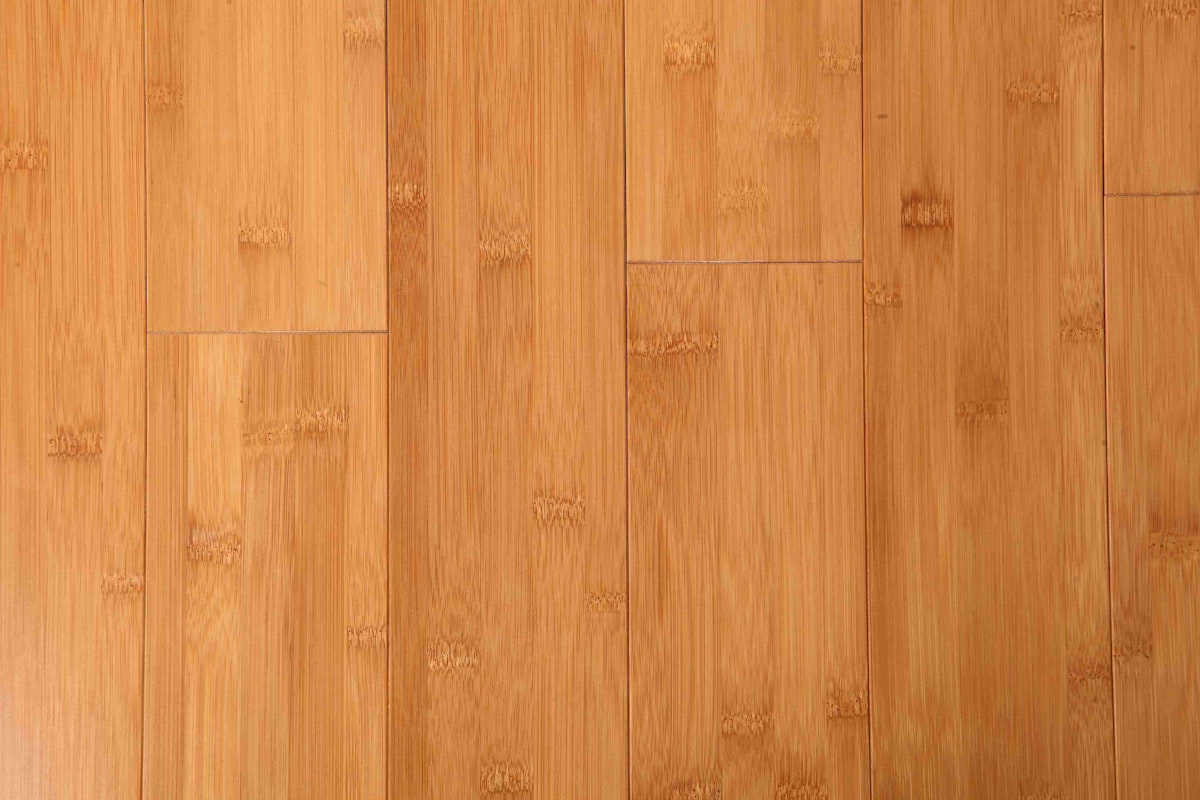
Selecting the right surface for a home or commercial property requires balancing long-term durability, interior aesthetics, budget constraints, and environmental responsibility. Over the past two decades, bamboo flooring has established itself as one of the most prominent alternatives to traditional hardwood, offering a unique blend of natural elegance and impressive mechanical strength. Derived from fast-growing Moso stalks rather than centuries-old timber, this material appeals strongly to property owners seeking to minimize their ecological footprint without compromising on visual sophistication.
However, like any building material, it presents a distinct set of physical characteristics, maintenance requirements, and structural behaviors. Making an informed decision requires looking beyond basic marketing claims and evaluating how different processing methods impact performance over time. This detailed guide breaks down the practical advantages, potential drawbacks, structural variations, and maintenance considerations for buyers evaluating high-grade natural surfaces.
Understanding How Bamboo Flooring Is Made
To evaluate the strengths and weaknesses of this material, one must first understand that it is not cut directly from a tree trunk in solid planks. Because bamboo is botanically a giant grass with hollow stalks, transforming it into flat, dense floorboards requires industrial processing.
The manufacturing process begins with mature Moso bamboo, typically harvested at five to seven years of growth. The hollow culms are split into long vertical strips, and the outer waxy skin along with the soft inner pulp are mechanically removed. The remaining structural fibers are treated to extract natural starches and sugars, preventing pest infestation and fungal growth. From this point, the raw material is processed into one of three distinct categories:
Horizontal Structure: The strips are laid flat side-by-side in overlapping layers and glued together under heat and pressure. This technique showcases the classic nodes or knuckles of the plant, giving the floor an unmistakably traditional look.
Vertical Structure: The strips are turned on edge and laminated side-by-side. This creates a narrow, uniform grain pattern with subtle node visibility, offering a sleek, contemporary appearance.
Strand-Woven Structure: The raw fibers are shredded into loose strands, saturated with high-strength resins, and compressed in hydraulic molds under thousands of tons of pressure. The resulting block is then precision-milled into tongue-and-groove or click-lock planks. This method produces an extraordinarily dense material with a variegated grain that closely resembles exotic tropical hardwoods.
The Key Advantages of Bamboo Flooring
Property owners and interior designers choose this natural material for several compelling reasons, ranging from surface toughness to environmental efficiency.
1. Exceptional Surface Hardness and Impact Resistance
One of the most notable advantages of strand-woven variations is their structural density. Traditional hardwoods like red oak or maple are commonly used as benchmarks for residential durability. Strand-woven manufacturing packs dense plant fibers so tightly that the resulting board achieves a Janka hardness rating well over 3,000 pounds of force. This makes it more than twice as hard as conventional domestic hardwoods. High-density boards easily resist heavy foot traffic, pet claws, moving furniture, and high-heeled shoes, making them suitable for active households and high-traffic commercial spaces.
2. Fast Rapid Sustainability Profile
From an ecological standpoint, the growth rate of Moso bamboo is virtually unmatched in the natural world. While oak, walnut, or teak trees require thirty to eighty years to reach harvestable maturity, Moso stalks reach full structural maturity within five to seven years. Furthermore, harvesting does not destroy the parent plant. The extensive underground rhizome system remains intact, continuously sending up fresh shoots every spring without requiring replanting, soil tilling, or synthetic fertilizers. This self-regenerating capability makes it an exceptionally efficient land-use resource compared to traditional timber forestry.
3. High Visual Versatility and Interior Aesthetics
Natural plant fibers possess a clean, modern aesthetic that complements a wide range of interior styles, from Scandinavian minimalist designs to rustic modern spaces. Through controlled thermal modification, often called carbonization, manufacturers can change the natural light blonde tone of the raw fiber into warm honey hues or deep caramel tones. Because the color change occurs through heat caramelizing the sugars inside the fiber rather than a surface stain, the rich color extends throughout the entire thickness of the board.
4. Sanding and Refinishing Capacity
Unlike thin vinyl planks or low-grade laminate products that must be torn out and replaced once damaged, solid strand-woven planks can be sanded down and refinished over their operational lifespan. If the surface finish shows wear after a decade of heavy use, a professional floor sander can strip the top coat and reapply protective sealers, restoring the surface to its original condition and significantly extending the total service life of the installation.
5. Fire and Termite Resistance
Due to the high density achieved during hydraulic pressing and the removal of natural starches during primary processing, high-grade strand-woven planks offer natural resistance to wood-boring insects such as termites. Additionally, dense strand-woven boards perform exceptionally well in standard flame-spread safety tests, often achieving high fire-rating classifications required for commercial interior specifications.
Potential Cons and Important Considerations
While the material offers impressive benefits, understanding its physical limitations is crucial for avoiding installation failures and maintaining surface beauty over time.
1. Vulnerability to Excessive Water and Standing Spills
Although high-density boards handle ambient humidity shifts far better than raw wood, they are not completely waterproof. Standing water left on the surface can eventually seep through the joints between planks, leading to swelling along the edges, discoloration, or top-coat blistering. It should not be installed in wet areas like open shower rooms or unsealed basement slabs subject to active hydrostatic pressure.
2. Sensitivity to Extreme Dryness or Rapid Humidity Fluctuations
Natural fibers respond to their surrounding environment. In regions with extreme seasonal variations—such as hot, humid summers followed by dry, artificially heated winters—the material will naturally expand and contract. If indoor relative humidity drops below recommended levels for extended periods, planks may develop tiny micro-gaps between seams or fine surface checks. Maintaining stable indoor humidity levels between thirty-five and fifty-five percent using humidifiers or air conditioning is essential for long-term stability.
3. Scratches on Factory Finish Coatings
While the internal fiber structure of strand-woven planks resists deep structural dents, the top protective polyurethane or aluminum oxide finish can still acquire fine surface scratches from fine grit, sand, or unpadded chair legs. Using protective felt pads under furniture legs and placing entry mats at exterior doors helps preserve the pristine clarity of the surface coat.
4. Carbonization Softening Effect
Buyers interested in deep caramel or dark coffee shades should note the mechanics of thermal modification. The intense heat used during the carbonization process caramelizes the natural sugars, but it also reduces the overall physical hardness of the raw fiber by roughly twenty percent compared to natural blonde boards. While carbonized strand-woven boards remain plenty durable for residential use, they are slightly softer than non-carbonized natural options.
Direct Comparison: Bamboo vs. Traditional Hardwood vs. Vinyl
Evaluating how this material compares directly to other common flooring choices helps clarify where it fits within a renovation budget and design plan.
Versus Solid Hardwood: Strand-woven options provide significantly higher Janka dent resistance at a generally lower material cost per square foot. Furthermore, the rapid harvest cycle offers a clear sustainability advantage over slow-growing oak or exotic tropical timber.
Versus Luxury Vinyl Plank (LVP): Luxury vinyl provides superior resistance to standing water and is often cheaper to install. However, vinyl is a petroleum-based plastic product that cannot be sanded or refinished, meaning damaged planks must be discarded. Natural plant boards offer authentic organic warmth, higher property resale value, and long-term refinishing capability.
Versus Laminate: Laminate consists of a printed paper image glued over a high-density fiberboard core. While inexpensive, it lacks the real tactile feel of natural fibers and cannot withstand deep sanding or refinishing. Modern plant-based boards provide an authentic structural surface rather than a simulated photographic pattern.
Essential Installation and Subfloor Guidelines
Achieving a long-lasting installation depends heavily on following correct subfloor preparation and jobsite protocols. Ignoring basic installation rules can undermine even the highest quality boards.
Acclimation Is Mandatory
Planks must be delivered to the installation site and allowed to acclimate in the sealed room for several days prior to fitting. The boxes should be opened and stacked horizontally to allow room air to circulate around the boards. This process ensures the moisture content of the planks equalizes with the ambient climate of the home before the boards are fixed in place.
Subfloor Moisture Testing
Before fitting planks over a concrete slab or wooden subfloor, installers must perform rigorous moisture testing. Concrete slabs must be fully cured and tested for vapor emission rates. Applying a high-grade moisture barrier membrane over the concrete prior to gluing or floating the planks is a critical defense against subterranean moisture intrusion.
Expansion Gap Allowance
Because natural fibers expand and contract in response to seasonal shifts, installers must leave an adequate expansion gap around the entire perimeter of the room, including doorways, cabinetry, and wall edges. This gap is hidden beneath baseboards and shoe moldings, allowing the floor to float naturally without buckling or peaking at the seams.
Maintenance Protocols for Long-Term Beauty
Keeping natural surfaces looking pristine requires simple, consistent care routines. Avoiding harsh chemicals and excessive water is the foundation of proper maintenance.
Daily Dusting: Sweep or vacuum the floor regularly using a soft-bristle attachment to remove grit, dust, and abrasive debris that can dull the protective finish.
Damp Mopping Only: Clean the floor using a micro-fiber mop lightly dampened with a pH-neutral hardwood floor cleaner. Never use steam mops, wet swiffers, or heavy buckets of water, as extreme heat and excess moisture can force water into the plank joints.
Spill Management: Wipe up liquid spills immediately with an absorbent towel to prevent moisture from penetrating the seams.
Protective Pads: Attach heavy-duty felt protectors to the feet of all tables, chairs, and heavy furniture. Avoid dragging heavy objects directly across the surface.
Making the Final Decision
Choosing high-grade natural plant flooring offers an exceptional balance of structural strength, modern design appeal, and environmental responsibility. By understanding the distinct differences between traditional horizontal layouts and high-density strand-woven engineering, buyers can select a product perfectly tailored to their specific lifestyle, foot traffic demands, and geographic climate. Installed over a properly prepared subfloor and maintained with simple cleaning routines, this renewable resource provides an elegant, resilient foundation that serves residential and commercial interiors for decades.
About Bothbest
Bothbest is a leading manufacturer and professional factory of bamboo flooring and bamboo decking based in China. With decades of manufacturing expertise, the company specializes in producing high-density strand-woven bamboo surfaces, panels, and outdoor decking. Bothbest combines advanced technology with sustainable raw Moso bamboo to provide exceptionally durable, eco-friendly flooring solutions for global markets.