Keeping Your Bamboo Plant Alive
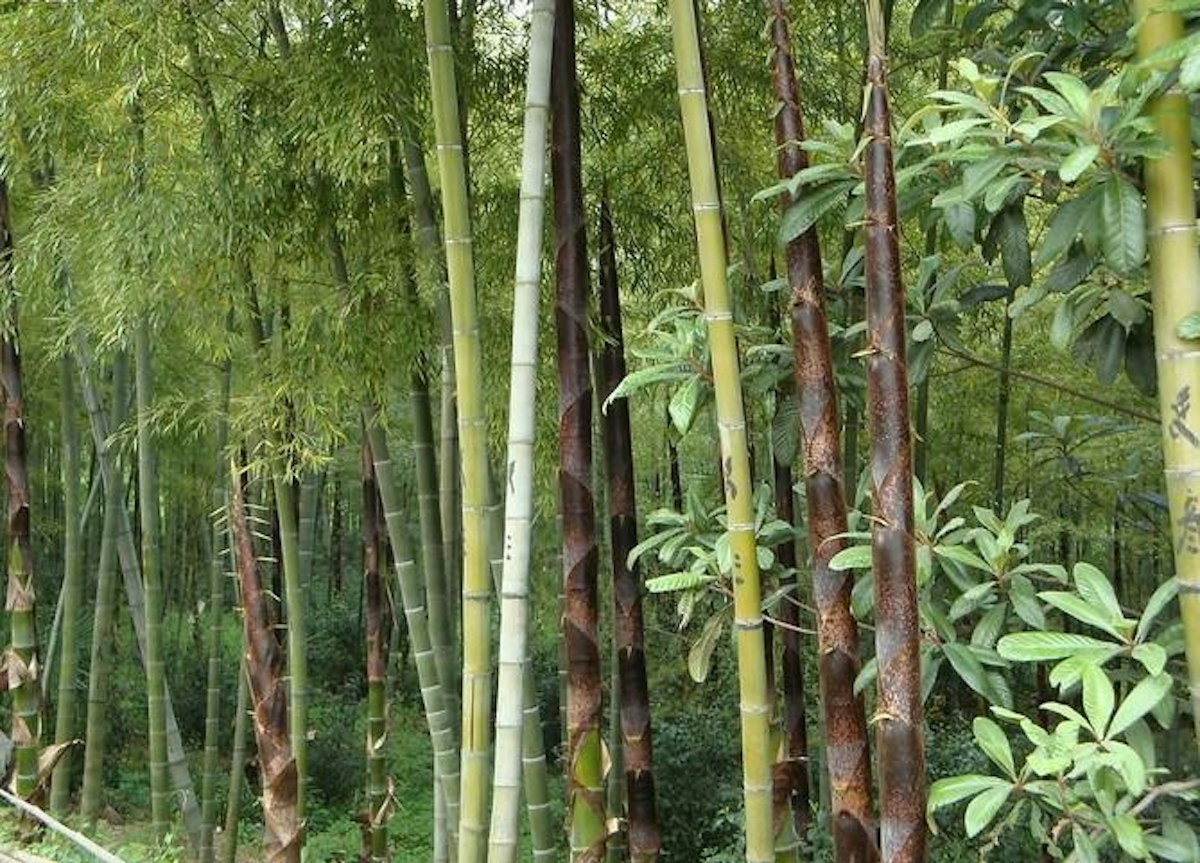
Dracaena sanderiana, commonly known as lucky bamboo, has earned a lasting place in homes, executive offices, and commercial interiors around the globe. Known for its slender green stalks, graceful leaf tufts, and remarkable resilience, this popular indoor plant is often associated with positive energy, balance, and quiet elegance. Despite its common name and visual resemblance to true outdoor bamboo, lucky bamboo is actually a tropical water-loving perennial member of the asparagus family, native to the shaded forest understories of Central Africa.
Because of its unique botanical origin, lucky bamboo requires a slightly different care strategy than conventional houseplants or outdoor timber bamboos. It can thrive for years in simple standing water or light potting soil, provided its core environmental needs are met. Keeping your lucky bamboo plant vibrant, green, and healthy over the long term comes down to mastering a few fundamental care practices: water quality, appropriate lighting, temperature management, balanced nutrition, and routine pruning.
Understanding the Fundamental Origins of Lucky Bamboo
To provide optimal care for lucky bamboo, it helps to understand how the plant behaves in its natural habitat. In tropical African rainforests, Dracaena sanderiana grows beneath dense canopy foliage, rooted in rich, moist soil bathed in filtered light and high humidity. It has evolved to absorb ambient nutrients efficiently while protected from harsh, direct sunlight.
When adapted as an indoor houseplant, lucky bamboo demonstrates extraordinary versatility. It is one of the few decorative plants capable of living hydroponically in a simple vase filled with water and river stones, as well as in traditional potted soil. However, because indoor environments lack natural forest humidity and rain cycles, growers must recreate these gentle, balanced conditions artificially.
Water Quality: The Primary Key to Plant Health
For lucky bamboo grown in standing water—which represents the vast majority of indoor displays—water quality is single-handedly the most critical factor determining long-term survival. The plant absorbs moisture continuously through its delicate root network, making it highly sensitive to dissolved chemicals, minerals, and heavy metals.
The Problem with Tap Water
Municipal tap water typically contains chlorine, chloramines, fluoride, and variable levels of mineral salts added for water treatment. While safe for human consumption, these additives are toxic to Dracaena sanderiana over time. Fluoride in particular accumulates in the outer tissue of the leaf blades, causing leaf tips to turn dry, yellow, and crisp brown. Chlorine causes root stress and inhibits the plant's ability to take up liquid moisture.
To keep your lucky bamboo thriving, avoid pouring fresh tap water directly into the vase. Instead, choose one of these reliable alternatives:
Distilled water or purified reverse-osmosis water, which contains zero chemical additives or mineral salts.
Filtered rainwater collected in clean containers.
De-chlorinated tap water, created by leaving tap water in an open pitcher for at least twenty-four hours, allowing chlorine gas to dissipate (note that chloramines and fluorides will remain).
Proper Water Level and Container Hygiene
Maintaining proper water depth prevents stem rot while ensuring adequate root hydration. Keep the water level between one and three inches deep, just enough to fully cover the reddish-orange root base and the bottom nodes of the stem. Submerging the stem too deeply in water encourages fungal growth and causes lower leaf nodes to soften and decay.
Water hygiene is equally essential. Stagnant water deprives roots of oxygen and fosters anaerobic bacteria, leading to foul odors and root rot. Change the water completely every seven to ten days. During water changes, take a moment to rinse the vessel, clean the decorative stones or pebbles supporting the stalks, and gently wash off any slimy buildup on the roots using tepid, purified water.
Lighting Requirements: Finding the Ideal Exposure
Lighting directly governs the rate of photosynthesis, leaf color saturation, and stem development in lucky bamboo. Striking the right balance between light intensity and exposure duration keeps foliage rich green without causing sun damage.
Bright, Indirect Light
In nature, lucky bamboo grows under the dappled shade of tall rainforest trees. Indoors, it performs best when placed in bright, indirect sunlight. Ideal placement includes:
Near an east-facing window where it receives gentle, early morning sunlight.
A few feet back from a south or west-facing window protected by sheer curtains.
Well-lit interior rooms, offices with bright fluorescent overhead lighting, or spaces with ambient light bouncing off light-colored walls.
Dangers of Direct Sun and Deep Shade
Direct sunlight is destructive to lucky bamboo. The intense ultraviolet rays and heat of direct sun bleach the leaves, turning them pale yellow or scorched brown within a few days. Direct sun hitting a glass vase also warms the standing water, encouraging rapid green algae growth that competes with the plant for nutrients.
Conversely, placing lucky bamboo in deep, dark corners or windowless rooms causes the plant to stretch ungracefully toward distant light sources—a process known as etiolation. Stems become thin, pale, and weak, while leaf production slows dramatically. If your space lacks natural light, supplementing with an energy-efficient LED grow light set on a twelve-hour daily timer keeps the plant stocky and robust.
Temperature and Humidity Management
As a native tropical species, lucky bamboo prefers warm, consistent temperatures and moderate air humidity. Extreme temperature shifts shock the vascular system of the plant, causing sudden leaf shedding and stem discoloration.
Ideal Temperature Range
Lucky bamboo thrives in ambient indoor temperatures between sixty-five and eighty-five degrees Fahrenheit. It copes well with normal home and office climates but must be protected from sudden drafty conditions.
Keep stalks away from cold winter windows, exterior doors, and unheated entryways.
Position the plant clear of direct airflow from air conditioning vents, space heaters, and radiators.
Avoid exposing the plant to temperatures below fifty-five degrees Fahrenheit, which causes tissue damage and sudden leaf yellowing.
Humidity Considerations
Standard indoor residential air humidity around forty to sixty percent is perfectly suitable for lucky bamboo. However, during winter months when indoor heating systems dry out the air, leaf tips may begin to brown. Misting the foliage lightly with purified water once or twice a week, or placing the vase on a tray with damp pebbles, provides a gentle humidity boost that keeps leaf margins supple and green.
Feeding and Fertilization Needs
One of the most common care errors is over-fertilizing lucky bamboo. Because Dracaena sanderiana grows at a deliberate, steady pace, its nutritional requirements are remarkably low, particularly when grown in standing water.
Feeding Water-Grown Stalks
Water-grown lucky bamboo receives minimal minerals from pure distilled water, but adding too much synthetic fertilizer burns the sensitive root system and turns the leaves yellow.
Use a specialized liquid bamboo fertilizer or a balanced houseplant fertilizer diluted to one-tenth of the manufacturer's recommended strength.
Apply just one or two drops of this diluted solution into the vase water once every three to four months.
Never fertilize a plant that is struggling, yellowing, or showing signs of root decay, as added salts exacerbate plant stress.
Feeding Soil-Grown Stalks
If your lucky bamboo is potted in a well-draining indoor soil mixture, apply a half-strength balanced liquid fertilizer once a month during the active growing season from spring through early autumn. Cease all fertilization during late autumn and winter when the plant enters a natural resting phase.
Pruning, Shaping, and Physical Maintenance
Over time, healthy lucky bamboo stalks produce long side shoots, lush top leaves, and dense root systems. Routine maintenance preserves the intended artistic shape and encourages fresh growth.
Pruning Top Foliage
When side branches become overly long, top-heavy, or leggy, prune them back using clean, sharp floral shears or a sterilized utility knife. Cut the shoot back to within an inch of the main central stem. Pruning stimulates dormant buds along the node, encouraging new, compact leafy shoots to emerge within a few weeks. Never cut the main thick central stalk if you want it to retain its current height, as the topped stalk will not grow taller from the cut line.
Managing Root Growth
Hydroponic root systems eventually become thick and tangled inside the vase. If roots fill the container completely, trim away up to one-third of the lower root mass using sterilized scissors during a routine water change. Trimming old roots stimulates the production of fresh, energetic feeder roots capable of absorbing nutrients more effectively.
Troubleshooting Common Lucky Bamboo Problems
Even with attentive care, lucky bamboo occasionally exhibits signs of physiological stress. Recognizing early warning signals allows you to adjust growing conditions before permanent damage occurs.
Yellowing Stalks or Leaves
Yellow leaves are usually caused by direct sunlight, hard tap water chemicals, or over-fertilization. Prune off yellow leaves immediately near the stem. If an entire main stalk turns yellow and soft, it indicates systemic stem rot. Remove the yellowing stalk from the arrangement promptly so decaying tissue does not contaminate neighboring healthy stalks.
Algae Growth in the Water
Green algae forms when transparent glass vases are exposed to ambient sunlight. While algae does not directly harm the plant immediately, it consumes oxygen and looks unsightly. Clean the vessel thoroughly with warm soapy water, scrub the river pebbles, and switch to an opaque ceramic or stoneware vase to block light from reaching the water column.
Long-Term Enjoyment of Lucky Bamboo
By maintaining clean purified water, placing the plant in gentle indirect light, protecting it from cold drafts, and feeding it sparingly, your lucky bamboo will remain a vibrant green focal point for years. Its adaptable nature makes it an exceptionally rewarding houseplant for beginners and seasoned plant enthusiasts alike.
Bothbest is a professional bamboo factory and supplier of high-quality bamboo flooring and bamboo decking based in China. With advanced manufacturing technology, rigorous quality control, and decades of industry experience, Bothbest supplies durable, eco-friendly strand-woven bamboo materials to distributors, contractors, and architectural projects across global markets worldwide.