Natural Bamboo Floors vs. Water: How to Prevent Mopping and Spill Damage
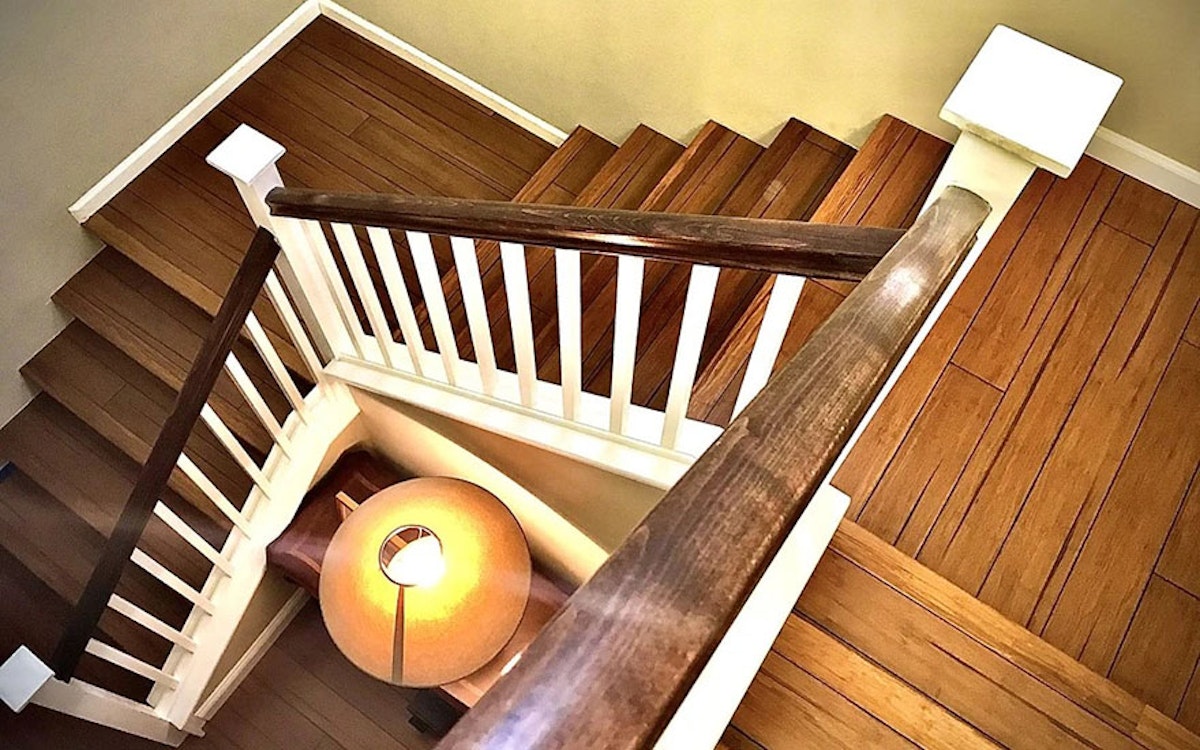
Natural bamboo floors bring a warm, distinct, and eco-friendly presence to any interior space. Though technically classified as a grass, bamboo undergoes a manufacturing process that compresses and bonds its fibers, resulting in a surface that rival or even surpass many traditional hardwoods in terms of strength and density. However, regardless of whether you have solid horizontal, vertical, or dense strand-woven boards, bamboo remains an organic, cellulose-based material. This means it is inherently hygroscopic, meaning it constantly absorbs and releases moisture to stay in balance with its surrounding environment.
While a high-quality finish offers excellent protection against temporary surface moisture, unmanaged water remains one of the primary threats to the longevity of bamboo floors. Understanding how water interacts with bamboo fibers, mastering safe maintenance routines, and knowing how to handle spills are the keys to keeping your installation flat, stable, and visually pristine for decades.
Understanding the Vulnerivity of Bamboo to Water
To protect bamboo floors from water damage, it helps to understand what happens beneath the surface when moisture penetrates the boards. During production, raw bamboo stalks are cut into strips or shredded into fibers, dried to a specific moisture content, and then laminated under extreme pressure using specialized adhesives. This creates a dense, stable product, but the microscopic channels that originally carried water up the living plant are still present within the cell structure of the material.
When excessive moisture comes into contact with these fibers, the cells swell. Conversely, when the air becomes dry, the fibers shrink. If water sits on the surface long enough to bypass the protective topcoat or seep through the seams between planks, it disrupts this balance. The resulting dimensional instability can lead to several common issues:
- Cupping: The edges of a plank become higher than its center, creating a concave profile. This occurs when the bottom of the board absorbs more moisture than the top.
- Crowning: The center of the plank swells higher than the edges, creating a convex curve, usually due to surface-level moisture exposure.
- Buckling: In extreme cases of prolonged flooding, the planks expand so much that they lift completely off the subfloor.
- Discoloration and Mold: Trapped moisture under the surface or within the backing can cause dark water stains or foster fungal growth, which weakens the structure of the floor.
The Daily Guard: Rethinking the Mopping Routine
The single most common cause of gradual, cumulative water damage on bamboo floors is improper mopping. For generations, traditional cleaning meant filling a bucket with water and soap, soaking a string mop, and working it across the room. While this method might work for ceramic tile or sealed concrete, it can be disastrous for natural bamboo.
Traditional wet mopping leaves puddles and pushes water deep into the micro-gaps between planks. Over time, this repetitive exposure breaks down the adhesive bonds and seeps into the core of the boards. To clean bamboo floors safely, you must shift your approach from wet mopping to damp cleaning.
1. Master the Microfiber Damp Mop
The safest tool for a bamboo floor is a microfiber flat mop. Microfiber holds onto moisture rather than letting it drip, allowing you to clean effectively with minimal liquid. When preparing to mop, the fabric pad should feel barely damp to the touch, never wet. If you can wring even a single drop of water out of the mop head, it is still too wet to touch your floor.
2. Choose the Right Cleaner
Avoid using harsh chemical detergents, multi-surface cleaners, or steam mops. Steam mops are especially dangerous for bamboo; they force high-pressure, superheated moisture deep into the cells and joints, peeling back the finish and warping the material almost instantly. Instead, use a pH-neutral cleaner specifically formulated for bamboo or hardwood floors. Alternatively, a highly diluted solution of a few drops of mild dish soap in a spray bottle of warm water works perfectly. Spray the cleaner lightly onto the microfiber pad or directly onto the floor in a fine mist, rather than pouring liquid onto the surface.
3. Dry as You Go
If you notice any visible moisture trail or hazy dampness behind your mop that takes more than a minute to evaporate on its own, follow behind with a dry microfiber cloth or a dry towel attached to a mop frame. Removing that residual film prevents water from finding its way down into the tongue-and-groove joints.
Managing Spills, Splashes, and Household Accidents
Accidents are inevitable in a busy household. Whether it is a overturned glass of water in the living room, a leaking ice maker in the kitchen, or a muddy pet rushing through the entryway, speed and technique dictate whether a spill becomes a minor annoyance or an expensive repair.
The golden rule for bamboo floors is to treat every spill as an immediate priority. A splash of water wiped up within five to ten minutes is highly unlikely to cause permanent damage, as it has not had enough time to penetrate the polyurethane or aluminum oxide topcoats.
- Blot, Don't Scrub: When a spill happens, immediately drop a clean, absorbent towel or paper towel directly over the liquid to blot it up. Avoid rubbing or scrubbing aggressively, which can push the liquid sideways into the seams between the planks.
- Clear the Crevices: For larger puddles, pay extra attention to the joints where the planks meet. Use a dry microfiber cloth wrapped around a putty knife or a finger to gently clear out any liquid trapped in the shallow bevels or seams.
- Address Pet Areas: Pet water bowls are constant sources of hidden moisture damage. Always place a waterproof silicone mat with a raised lip underneath water dishes. If your pet is a messy drinker, inspect the surrounding floor daily for stray droplets.
Preventative Strategies for High-Risk Zones
Certain areas of the home are naturally prone to higher moisture levels. While many homeowners choose to install bamboo throughout their entire floor plan for a seamless visual flow, these high-risk zones require targeted preventative measures.
In the kitchen, the areas directly in front of the sink, the dishwasher, and the refrigerator are highly susceptible to drips and splashes. Placing breathable, non-slip accent rugs or runners in these spots catches stray droplets before they reach the bamboo surface. Ensure that these rugs do not have a dense rubber or vinyl backing that can trap rising humidity beneath them, which can cause discoloration over time.
In entryways and mudrooms, rain, snow, and wet footwear pose a constant threat. Implement a strict "no shoes" policy inside the house, and provide a dedicated boot tray near the door for wet footwear. An entryway rug with a coarse texture will catch moisture from incoming steps, protecting the main flooring area from both water and abrasive grit.
If you are planning an outdoor transition, such as a backyard patio or veranda, standard indoor bamboo planks are not designed to handle direct weather exposure. For these spaces, you need specialized exterior materials like heavy-duty bamboo decking, which undergoes a distinct thermal modification and oil treatment to withstand heavy rain, UV rays, and fluctuating humidity levels without warping.
Dealing with Existing Water Damage
If you discover an area where water has sat undetected, perhaps under a leaking potted plant or behind a appliance, do not panic. Small amounts of warping or cupping can sometimes be reversed if caught early enough.
First, identify and stop the source of the moisture immediately. Next, focus on drying out the area slowly. Set up a portable dehumidifier directly over the affected zone and run a floor fan to encourage air circulation. Avoid applying direct heat from a hair dryer or space heater, as rapid temperature shifts can cause the bamboo to crack or split. Give the floor several weeks to normalize. As the moisture levels drop, the bamboo fibers may naturally shrink back toward their original dimensions, flattening out the cupped edges.
If the boards remain severely warped, buckled, or deeply stained after drying completely, those specific planks will need to be replaced. Fortunately, tongue-and-groove or click-lock systems allow a professional flooring installer to cut out damaged boards and splice in new ones without tearing up the entire room.
Maintaining Long-Term Environmental Stability
Because bamboo responds directly to its environment, controlling the indoor climate is your best long-term defense against water and moisture damage. High ambient humidity can cause floors to swell over time, even without direct liquid spills.
Aim to maintain a consistent indoor relative humidity level between 35% and 55% throughout the year, along with a stable temperature range. During humid summer months, use air conditioning or a whole-home dehumidifier to pull excess moisture out of the air. In the winter, when heating systems dry out the indoor environment, a humidifier can prevent the planks from shrinking and opening up wide gaps that make the floor more vulnerable to surface spills later on. By managing the climate and adopting mindful cleaning habits, your natural bamboo floors will remain stable, beautiful, and resilient.
About Bothbest
Bothbest is a professional, FSC certified bamboo factory based in China, manufacturing and exporting high-quality bamboo flooring, outdoor decking, and plywood since 2001. Equipped with advanced computerized machinery, Bothbest provides reliable, eco-friendly, and custom-tailored bamboo solutions direct from the manufacturer to distributors, architects, and builders worldwide.