The Hidden Strength Behind Compressed Bamboo Decking
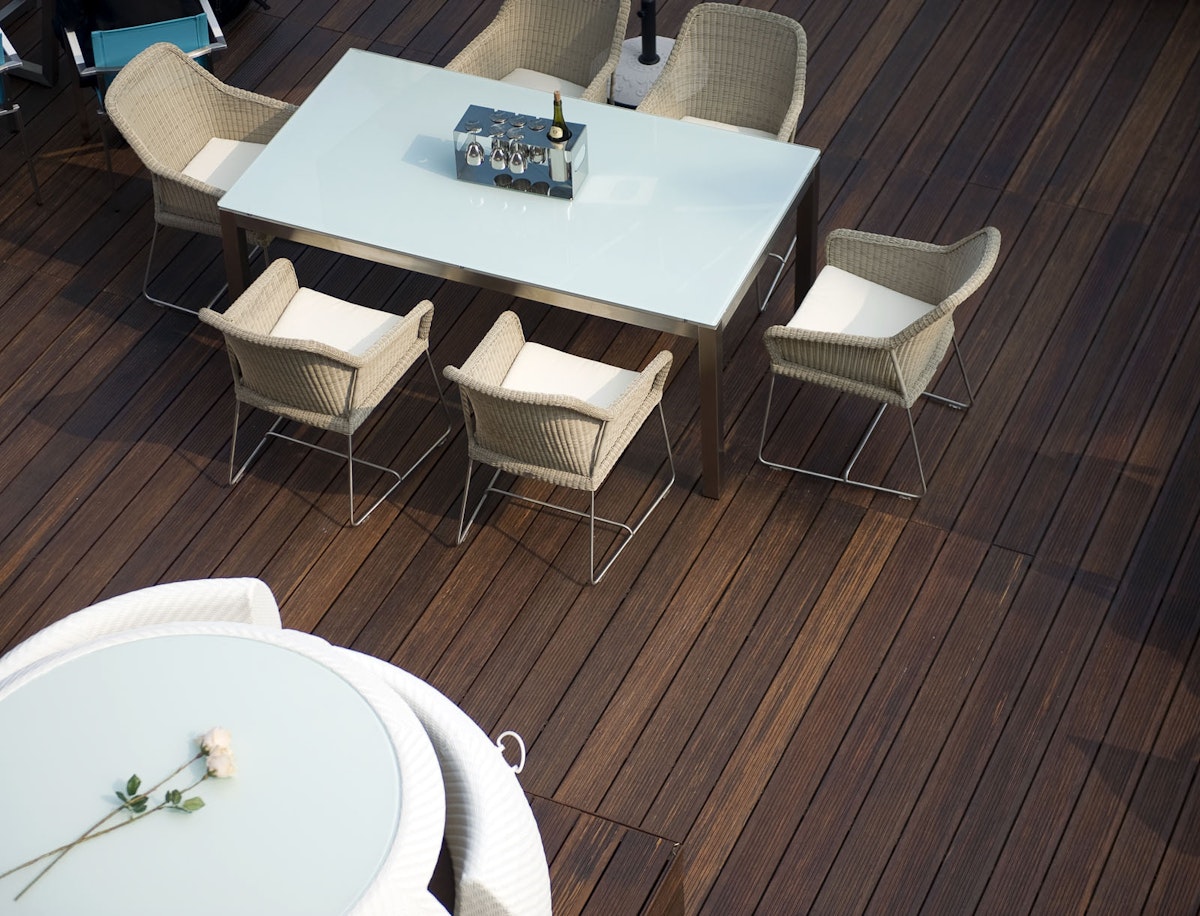
Outdoor decking materials have evolved significantly over the years, offering homeowners and designers a wide range of choices. Among them, compressed bamboo decking has emerged as a material that surprises many with its durability, stability, and attractive appearance. While bamboo is often associated with lightweight household goods or decorative pieces, its engineered form tells a very different story. Through a meticulous manufacturing process, bamboo gains a strength that rivals—or even exceeds—many traditional decking materials. The hidden strength behind this material comes from both the nature of bamboo itself and the technology used to compress and protect it.
Understanding the Nature of Bamboo as a Raw Material
Bamboo begins as a fast‑growing plant with fibers that run longitudinally along its culms. These fibers give bamboo remarkable tensile strength even before any processing takes place. Unlike hardwood trees that take decades to mature, bamboo reaches full height in just a few months and becomes suitable for harvesting within a few years. This rapid growth does not compromise density; instead, bamboo’s fiber structure produces a strong, resilient material capable of handling heavy loads and regular activity.
Another characteristic of natural bamboo is its dimensional stability. Raw bamboo can adapt to changes in humidity more readily than certain wood species, thanks to its cellular arrangement. When processed into engineered bamboo decking, this quality becomes even more pronounced.
How Compression Technology Enhances Performance
The manufacturing process is where bamboo shifts from a lightweight plant to a dense, highly resilient material suitable for outdoor structures. To create compressed bamboo decking, manufacturers begin by splitting bamboo culms into thin strips. These strips are then boiled or steamed to remove starches, sugars, and any natural residues that might attract insects or cause decay. This early stage also stabilizes the material for further processing.
Once cleaned and dried, the bamboo strips undergo a compression process using immense pressure. The fibers are compacted so tightly that the density of the resulting boards often surpasses that of many hardwoods traditionally used for decking. The increase in density enhances:
• Structural strength
• Resistance to impact
• Resistance to wear
• Dimensional stability
The compressed structure means the final plank holds its shape even in demanding conditions, such as high‑traffic walkways, poolside installations, or humid climates.
A Material Designed for Outdoor Endurance
One of the main reasons compressed bamboo decking has gained recognition is its ability to withstand outdoor environments. Standard bamboo or untreated wood cannot resist moisture, fungi, and insects as effectively. However, the combination of heat treatment, compression, and protective finishes enables bamboo decking to remain durable in environments that fluctuate between sun, rain, and temperature changes.
Resistance to Moisture
Because compressed bamboo boards are extremely dense, water penetration becomes more difficult. The heat treatment applied during manufacturing further decreases the material’s moisture absorption rate. This helps minimize swelling, shrinking, and the formation of cracks.
Resistance to Fungal Growth and Insects
During preparation, bamboo strips are boiled or steamed to remove organic components that microorganisms thrive on. After compression and heat treatment, the boards offer little in the way of nutrients for insects or mold. Flooring and decking manufacturers often apply an additional protective coating to ensure the surface remains shielded from biological degradation.
Resistance to UV Exposure
Outdoor deck materials frequently suffer from long periods of sun exposure. Compressed bamboo decking typically receives a UV‑resistant finish that helps slow down surface fading and maintains the natural beauty of the material. Occasional oiling helps refresh the surface, allowing the deck to remain visually appealing over time.
A Natural Look With a Modern Edge
While performance is a key driving factor behind the growing popularity of compressed bamboo decking, its appearance also plays a significant role. Bamboo has a warm, organic look that blends well with outdoor environments. The compressed method brings out a more refined grain, often characterized by:
• Smooth, consistent patterns
• Rich, earthy tones
• A uniform appearance that still retains natural variation
This makes compressed bamboo decking suitable for a variety of architectural styles. Whether used in minimalist, contemporary, rustic, or tropical designs, bamboo offers both visual elegance and a grounded natural presence.
Decks made with compressed bamboo often feature hidden fastener systems, beveled edges, or precision‑machined profiles that contribute to a clean and polished installation. This creates a finished space that looks intentional rather than improvised.
Sustainability as a Core Benefit
One of the strongest arguments for choosing bamboo as a decking material is its environmental profile. Bamboo grows rapidly, and its harvesting cycle is significantly shorter than that of traditional hardwoods. When managed responsibly, bamboo plantations regenerate without replanting, preserving soil integrity and reducing deforestation pressures.
Energy efficiency in manufacturing has also improved. Many modern bamboo production facilities use advanced heat‑treatment technologies and recycling systems for water and byproducts. While compressed bamboo decking still requires adhesives and finishing coats, many manufacturers have adopted low‑emission or formaldehyde‑free bonding agents that support healthier indoor and outdoor environments.
For homeowners or developers who wish to reduce the ecological footprint of their building materials, compressed bamboo offers a balanced approach: high performance combined with more responsible sourcing.
Installation Practices That Support Long‑Term Durability
The performance of any decking material depends not only on its quality but also on how it is installed. Compressed bamboo decking benefits from proper ventilation, spacing, and fastening techniques.
• Adequate airflow beneath the deck prevents trapped moisture.
• Appropriate gap spacing between boards allows for natural expansion and contraction.
• Hidden fastener systems help prevent water from pooling around screw holes.
Many manufacturers provide detailed guidelines that reflect how the material responds to environmental conditions. Following these recommendations ensures that the deck maintains its structural integrity and appearance over the years.
Easy Maintenance With Consistent Results
One appealing characteristic of compressed bamboo decking is the minimal upkeep required to preserve its strength and visual appeal. While regular maintenance is always beneficial for outdoor surfaces, bamboo decking generally requires less intensive care compared to certain hardwoods.
Typical maintenance tasks include:
• Routine sweeping to remove debris
• Occasional washing with mild soap or specialized deck cleaner
• Periodic surface oiling depending on climate and usage
These simple steps help the deck retain its warm tones and natural luster. Because compressed bamboo is so dense, it tends to resist surface damage better than softer wood species. Small scratches can often be minimized through light sanding and re‑oiling.
Applications That Showcase Its Versatility
Compressed bamboo decking fits a wide range of settings, offering both functional and aesthetic benefits. Beyond residential backyard decks, bamboo works well in:
• Commercial walkways
• Resort outdoor lounges
• Garden paths
• Restaurant patios
• Rooftop terraces
• Poolside platforms
Its ability to handle heavy foot traffic and various weather conditions makes it suitable for both private and public spaces. The material also provides a comfortable underfoot feel, neither too hot under the sun nor too harsh during cooler weather.
In landscaping projects, compressed bamboo decking often integrates seamlessly with stone, metal, or plant‑based design elements. The neutral tones of bamboo provide flexibility when coordinating with outdoor furniture, pergolas, or decorative lighting.
The Craftsmanship Behind Each Board
Every compressed bamboo board is the result of precise engineering. Manufacturers must carefully monitor moisture levels, heat exposure, pressure settings, and curing times to achieve consistency. A well‑crafted deck board should have:
• Uniform density throughout
• Straight, stable geometry
• Smooth, splinter‑free surfaces
• Even coloration and grain patterns
These qualities show the difference between well‑produced bamboo decking and cheaper alternatives that might not undergo the same level of quality control. When sourced from reputable manufacturers, compressed bamboo decking offers reliability and longevity.
Why Compressed Bamboo Decking Holds Its Reputation
The hidden strength behind compressed bamboo decking is not merely a marketing claim; it is the result of combining natural fiber performance with modern engineering. Bamboo’s inherent qualities—resilience, flexibility, density, and rapid renewal—set a strong foundation. The compression process intensifies these strengths and produces boards that can withstand the challenges of outdoor living.
Its balance of durability, beauty, stability, and sustainability allows homeowners, architects, and contractors to build outdoor spaces that remain reliable year after year. With thoughtful care and proper installation, compressed bamboo decking becomes more than just a surface; it becomes a long‑lasting element that enhances both the functionality and character of an outdoor environment.