Traditional Meets Modern: Incorporating Bamboo into Contemporary Design
Bamboo has been part of human life for centuries, valued for its strength, flexibility, and graceful appearance. As conversations around sustainable materials deepen and design culture shifts toward natural textures and clean lines, bamboo is entering a renewed phase of relevance. It carries a sense of tradition while fitting comfortably into current architectural and interior aesthetics. The result is a material that bridges eras, offering warmth and practicality without feeling nostalgic or dated.
Designers, architects, and craft practitioners are rediscovering bamboo not just as an eco‑friendly alternative, but as a versatile medium that can stand alongside steel, concrete, and engineered composites. Its character brings a subtle organic balance to spaces often dominated by minimalism and neutral palettes. What follows is a closer look at how bamboo integrates into contemporary design, how it behaves as a material, and the ways in which its cultural significance continues to shape modern spaces.
Bamboo as a Modern Structural Material
Recent engineering advancements have allowed bamboo to move beyond decorative applications. Laminated bamboo beams and panels, created through high‑pressure bonding of processed strips, offer impressive load‑bearing capacity. In structural form, bamboo can be used for roofs, trusses, and even multi‑story frameworks. Some architects prefer it for its combination of lightness and resilience; its natural fibers disperse stress efficiently, making it well suited for areas prone to seismic movement.
Contemporary construction often seeks materials that minimize environmental impact while maintaining performance standards set by conventional building methods. Bamboo fits neatly into that search. Its growing cycle is much faster than traditional timber, and selective harvesting helps maintain plant vitality. When used in load‑bearing elements, laminated bamboo retains a visual softness that steel and concrete cannot replicate. It brings a tactile quality to public buildings, restaurants, and residential projects that aim to harmonize with surrounding landscapes.
Interior Applications with Subtle Character
Inside the home, bamboo shows its versatility. Flooring made from strand‑woven bamboo is extremely durable, matching the hardness of many premium hardwoods. Its consistent grain patterns and gentle color variations allow it to sit comfortably within contemporary spaces, especially those designed with a focus on calm, open energy. Because bamboo accepts stains and finishes well, designers can use it to achieve both light Scandinavian palettes and deeper, moodier tones.
Bamboo cabinetry has become another staple of modern interiors. Its clean vertical grain complements linear, handle‑free cabinet designs that characterize many modern kitchens. Unlike some hardwoods that widen or warp noticeably in humidity, properly treated bamboo maintains stability, making it a practical choice for kitchens and bathrooms.
Beyond flooring and cabinetry, bamboo fits well into paneling, room dividers, batten walls, and acoustic treatments. Recent experiments with curved and molded panels allow bamboo to form fluid shapes traditionally achieved with plastics. These sculptural pieces bring movement to minimalist interiors without overwhelming them.
Furniture That Blends Craft and Simplicity
Furniture designers appreciate bamboo for its balance of strength and delicacy. Traditional joinery techniques developed for bamboo—such as pegged joints and wrapped bindings—combine gracefully with contemporary silhouettes. Chairs with slender frames, low tables with clean profiles, and open shelving units demonstrate how bamboo supports minimalist design without sacrificing warmth.
Some studios experiment with hybrid designs, pairing bamboo with metal legs, glass tabletops, or stone inlays. This mix highlights bamboo’s versatility and prevents it from becoming visually dominant. Pieces crafted with laminated bamboo often feature sharp, crisp edges, giving the material a distinctly modern attitude.
The lightweight nature of bamboo furniture also aligns with the increasing interest in flexible living spaces. Items can be moved easily, reconfigured as needed, or layered with textiles to soften the room’s mood. This mobility suits small apartments, home offices, and multifunctional rooms, where adaptability carries as much value as durability.
Bamboo Textiles and Soft Furnishings
While bamboo’s structural uses often receive attention, its softer side plays a quiet but important role in interiors. Bamboo textiles—produced through mechanical or chemical processing of bamboo fibers—are used for bedding, drapery, and upholstery. The fibers create a smooth, breathable fabric with excellent moisture‑regulating properties. Designers drawn to natural materials appreciate how these textiles add an understated organic quality.
For window coverings, bamboo blinds and woven shades remain favorites. Their thin slats filter light gently, creating soft shadows that shift throughout the day. In contemporary homes that rely on a balance of light and texture, bamboo shades help regulate brightness while maintaining a clean, unfussy appearance.
Rugs crafted with bamboo viscose or bamboo‑silk blends have a subtle sheen that pairs well with minimal furniture. Their reflective quality lifts darker color palettes and brings an element of refinement to living rooms and bedrooms.
Blending Cultural Heritage with New Environments
In many regions, bamboo carries deep cultural associations. It symbolizes resilience, humility, and renewal. Integrating it into modern settings allows designers to acknowledge that heritage while exploring fresh interpretations. For example, traditional woven patterns can be adapted for modern wall panels or screens. Bamboo lattices that once decorated rural homes can be reimagined as privacy partitions in urban apartments.
Some architects incorporate bamboo elements in public buildings to evoke familiarity and local identity without resorting to historical pastiche. This sensitive blending of tradition and innovation helps buildings feel rooted in their environment. It also fosters a sense of continuity for communities navigating rapid growth and modernization.
Outdoor Use and Landscape Integration
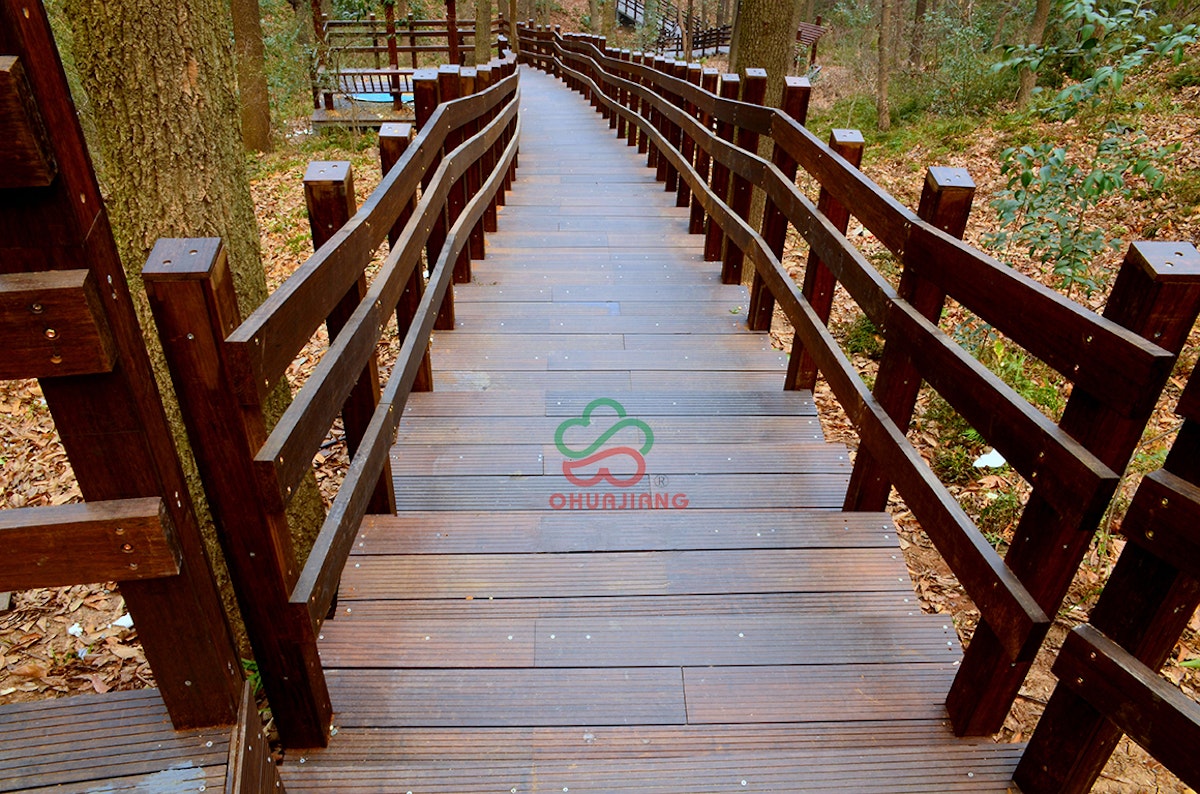
Bamboo thrives in outdoor environments, making it ideal for decks, pergolas, fencing, and garden structures. Treated bamboo decking resists moisture and takes on a soft patina over time. In landscape design, bamboo poles can form sculptural features, water fountains, or minimalist trellises. The material’s rhythmic vertical lines offer a natural counterpoint to angular architectural forms.
Even when used sparingly, bamboo introduces an atmosphere of calm. Its organic rhythm pairs well with gravel paths, water ponds, and stone elements often found in modern garden layouts. Designers also appreciate its ability to provide privacy while still allowing airflow and filtered light.
Sustainability as a Practical Asset
While sustainability is rarely the sole reason to select a material, bamboo’s environmental profile remains one of its strongest advantages. It grows rapidly without the need for replanting after harvest. Many species mature within three to five years, making bamboo one of the most renewable natural building resources. Responsible sourcing and controlled cultivation practices continue to improve, allowing the material to be used confidently in long‑lasting applications.
Because bamboo sequesters carbon efficiently, its use in structural components and furnishings contributes to lower overall emissions. Manufacturers that process bamboo into engineered panels increasingly adopt low‑VOC adhesives and finishes, aligning the material with broader health‑focused building standards.
Experimentation in Contemporary Craft
Modern designers and artisans continue to push bamboo into new territories. Some craft studios explore intricate weaving techniques to produce light fixtures that cast patterned shadows. Others experiment with steam‑bending bamboo into sculptural forms. Digital design tools paired with traditional craftsmanship create objects that feel both familiar and distinctly current.
These experiments expand bamboo’s expressive range, demonstrating its capacity to evolve with changing creative practices. The material’s natural warmth, combined with its ability to be shaped and engineered in diverse ways, keeps it relevant as design languages shift.
A Material That Connects Eras
Bamboo’s appeal lies in its ability to feel timeless. It carries memories of traditional craft while speaking comfortably to contemporary sensibilities. Its textures, colors, and structural capabilities allow it to settle into a wide variety of environments—from minimal urban apartments to expansive public spaces—without losing its quiet charm.
Designers who choose bamboo often note that it helps bridge the gap between natural and constructed worlds. It softens hard surfaces, brings depth to clean lines, and adds sensory richness to spaces that might otherwise feel sterile. As more people seek materials that offer authenticity, warmth, and responsible sourcing, bamboo stands out as a practical and expressive choice.
By embracing bamboo within modern design frameworks, creators are not simply revisiting the past. They are drawing from a material with deep roots and guiding it into new forms—proving that tradition and innovation can coexist naturally when guided by thoughtful design.